
Key Differences Between DRW and SRW Trucks
While a lot of truck buyers come across the different acronyms that dictate their purchase decisions, one acronym that they should not fail to learn about is DRW, one of the most common. For example, for those who have not known yet, what does drw mean on a truck? The answer is quite simple: DRW is the abbreviation for “dual rear wheel.”
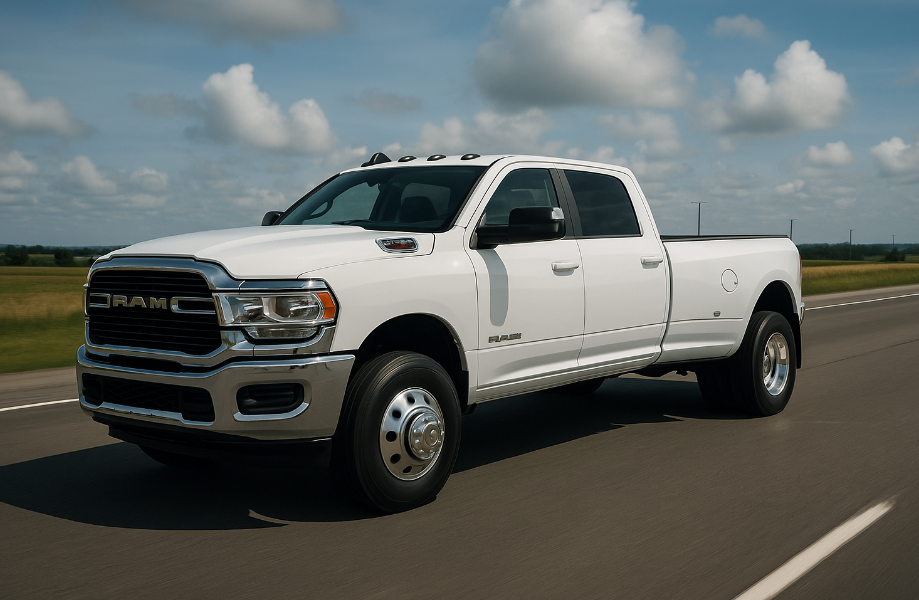
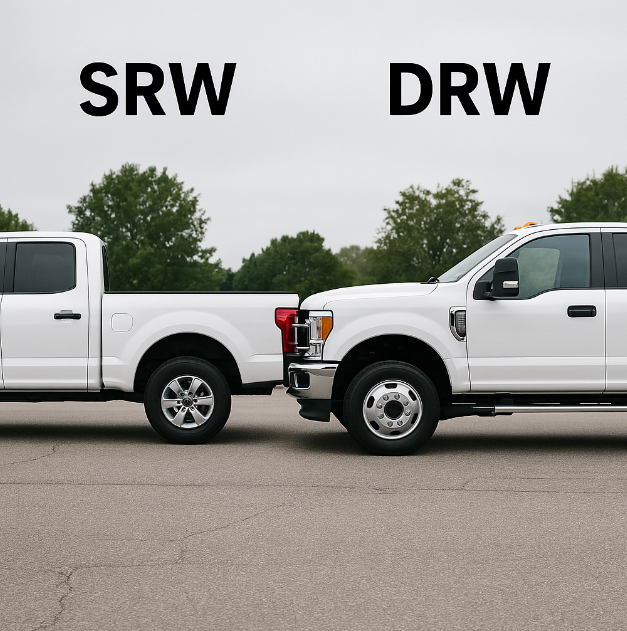
The dual rear wheels are typically attached to a dually truck, where there are two wheels attached to every side of the rear axle, making a total of four rear tires. Dually is a rear axle configuration that comes with two pairs of wheels for each side and contrasts to single rear wheel (SRW), which only has a single tire per side on the rear axle.
But DRW is not only a concept of language it also indicates a truck layout per se, which is built to withstand the most severe conditions of stress, instability, and performance. In this sense, DRW is generally known as a hitch hauler. Weight issues from dual wheel vehicles are not a problem when it comes to lack of traction from the rear, and it is the main setup among heavy-duty vehicles.
Benefits of DRW Trucks
Increased Stability and Safety
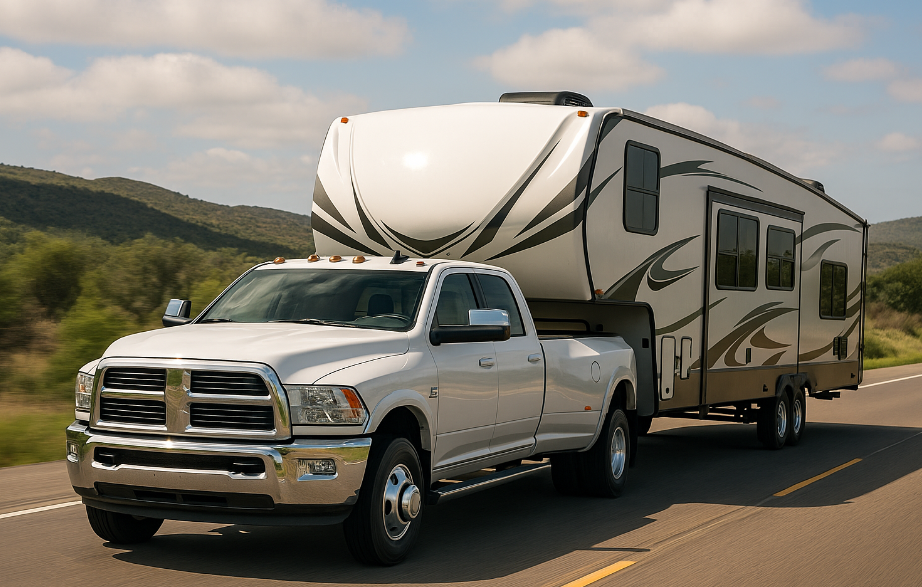
Of all the differences that set apart SRW and DRW trucks, towing and payload capacities rank high. DRWs are more resistant to the axle load because they have an extra set of tires at the back. This tire distribution also gives more leverage for the driver when a fifth-wheel or gooseneck trailer is used.
Also, the load leveling systems on a dual rear wheel platform are more efficient because the wider track of the wheel and the additional rubber on the road make the rig less susceptible to sagging under high weight conditions. This is the reason why dually setups are more stable during towing and reduce trailer swing, which is essential when moving large campers, horse trailers, or construction equipment around.
Enhanced Towing Capabilities
Other than this, SRW trucks have the edge because they are better when it comes to space and ride quality. The addition of more tires creates a difference in ride height, increases the radius of the turn, and makes it hard to navigate through tight spaces. Therefore, drivers find it easier with SRWs, as they are city-friendly drivers, especially in parking lot situations.
Even though dually trucks are widely preferred on the open roads or job sites, SRWs stand out by offering better ride quality on everyday roads, especially when the truck bed is empty. General setup for the DRWs is somewhat less flexible in terms of comfort, as they are made firmer for hauling and towing.
Considerations When Choosing Between DRW and SRW
Driving and Parking in Urban Environments
The most recognized benefit of a DRW is its stability. The second set of tires provides it with the balance that it needs. The additional length of the tire contact can be positively quantified in terms of balance and consequently decreased sway. For drivers who frequently traffic loads near the maximum payload threshold, the stability translates to better braking and overall safety.
Driving conditions are not ideal most of the time, be it crosswinds, uneven terrain, or high speeds however, the cargo stability derived from a DRW will in most cases avert accidents. The addition of tires also helps to distribute the force and therefore reduces the stress on each tire and distributes the axle load better.
Maintenance and Costs
The difference from the configuration of a DRW truck is that it makes the truck have better towing ability. This is because, in the case of a trailer pulled by SRW, the overall weight is lower on the truck, thus putting more stress on tires. This is more pronounced in the case of towing fifth-wheel hitches, where a dually with a fifth-wheel hitch decreases swaying and provides a safer experience.
In essence, the dual rear wheel design setup is almost mandatory for folks who own big RVs, farmers, and construction professionals. The combined high towing capability, load benefit, and the promise of long-term cargo stability are advantages that SRW trucks can never really boast of.
Deciding on the DRW or SRW
Driving and Parking in Urban Environments
Truck DRWs beyond doubt prevail on highway driving and in work sites, but they are quite tricky in the city. The tire size increase will give the truck a wider turning radius and make it more difficult to maneuver in tight spaces. Drivers usually note parking lot clearance problems, as the rear fenders of a DRW are wider than that of an SRW.
If many of your driving days are really in the city and if you find yourself stopping frequently in small commercial zones, then the single rear wheel option appears to be better for you. The shorter turning radius and easier handling make SRWs more practical for daily commuting.
Maintenance and Costs
Another consideration is the maintenance cost. A DRW is a truck that requires more tires, so it will need more money for purchasing and replacing them. Due to the additional tire configuration options, the tire rotation and inspection intervals are shorter.
Moreover, on average, DRWs displace an added fuel economy effect when compared to SRWs. The extra weight, the rolling resistance, and the alterations in suspension setup result in somewhat fewer miles per gallon. To add to it, drivers usually find themselves spending on things like alignment modifications, brake servicing, and increased wear on suspension parts.
But then again, the payload management and load leveling systems of DRWs, even when they are not kept in pristine condition, are far better than SRWs, making them more efficient in the long run despite the initial higher costs.
DRW vs SRW: Key Comparison
| Feature / Aspect | DRW (Dual Rear Wheel) | SRW (Single Rear Wheel) |
| Towing Capacity | Higher designed for heavy trailers (fifth-wheel, gooseneck) | Moderate suitable for light to medium towing |
| Payload Capacity | Greater, thanks to better axle load distribution | Lower, limited by single rear tires |
| Stability | Excellent reduced sway and better cargo stability | Less stable with heavy loads |
| Ride Quality | Stiffer suspension less comfort when unloaded | Smoother ride quality, especially with empty bed |
| Maneuverability | Reduced wider wheelbase and turning radius increase | Better maneuverability in tight spaces |
| Urban Driving | Challenging parking lot clearance issues, wider body | City-friendly easier to park and navigate |
| Maintenance Costs | Higher more tires, frequent rotations, added wear | Lower fewer tires and simpler setup |
| Fuel Economy Impact | Lower MPG due to added weight and rolling resistance | Better MPG thanks to lighter setup |
| Best Use Case | Long-haul, heavy-duty, RVs, farming, construction | Daily commuting, light towing, urban operations |
Wind-up
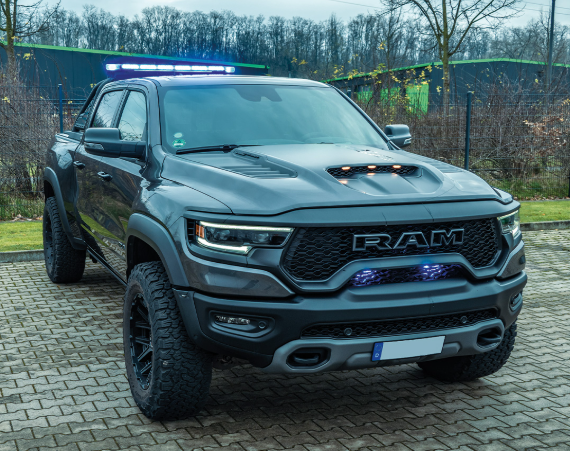
What does DRW mean on a truck really? In other words, it is the term that refers to a dual rear wheel arrangement, also known as a dually truck, that gives priority to stability, payload capacity, and towing capabilities rather than maneuverability and comfort during daily driving.
When it comes to buyers weighing the contrasts between SRW vs DRW, the selection is determined by the intended goal. If you’re dealing with heavy trailers, considerable payload management, or consistently long-hauls, a DRW outperforms SRW by far in braking, cargo stability, and towing.
The only exception arises if your focus is on city driving, avoiding parking issues, or making the most out of fuel economy in such a situation, an SRW is the best choice.
You can decide on the DRW meaning that corresponds with your needs only when you assess the maintenance costs, suspension configurations, the number of tires, and how often you’ll use the truck. Whether the choice is DRW or SRW, understanding the main differences is crucial for getting the next truck to fit the work and life you want.
